

Stair treads are a vital component of every staircase, combining safety, comfort, and style. They are part of the stair you step on, whether in a house, office, or commercial setting, making them both useful and aesthetically pleasing. Selecting the appropriate stair treads may enhance your interior decor while assuring long-term safety and durability.
What are Stair Treads?
A stair tread is the horizontal portion of a staircase that you step on either ascending or descending. The steps of a staircase are made up of treads and the riser (the vertical part). They are typically composed of wood, concrete, metal, or stone, depending on the form and function of the staircase.
Treads must be durable enough to withstand regular foot traffic and engineered to minimise the risk of slipping or tripping. Their width, depth, and finish are all key factors in deciding how pleasant and safe a staircase is.
Why Do Stair Treads Matter?
Stair treads serve more than just a functional purpose. They provide numerous important functions that directly effect safety and design:
1. Safety and stability
The right stair tread provides a sturdy walking surface. Non-slip materials or coatings can help to prevent accidents, especially in environments with high moisture or dust levels, such as outdoor decks or factories.
2. Durability
High-quality stair treads can resist years of foot traffic, weather, and wear. Investing in long-lasting materials will help you save money on replacements and maintenance costs.
3. Aesthetic appeal
Treads have a tremendous impact on the overall appearance of a staircase. Stair treads may set the tone for your entire room, with options ranging from warm wood tones to sleek steel or modern glass designs.
4. Noise Reduction
Materials such as wood and rubber can absorb sound, lowering the noise created by footsteps—which is especially useful in homes, businesses, and apartment complexes.
Common Stair Tread Materials
1. Wood
Wooden stair treads are timeless and adaptable. They provide natural beauty and may be stained or painted to complement any interior design. Popular choices include oak, maple, and pine.
Pros: Warm appearance, easy to refinish, suitable for both traditional and modern homes.
Cons: Regular maintenance may be required, and without anti-slip treatment, the surface might become slick.
2) Concrete
Concrete treads are commonly utilised for outside stairs and industrial facilities. They are quite durable and may be customised with finishes or tiles to achieve a more ornamental appearance.
Pros: Extremely durable, weather resistant, and low maintenance.
Cons: Heavy and may necessitate reinforcement for upper floors.
3. Metal
Steel or aluminium stair treads are common in commercial and industrial settings. They are frequently built with patterns such as diamond plate or grating to improve grip.
Pros: Strong, slip-resistant, and suitable for heavy-duty use.
Cons: Can be noisy and not as visually appealing as wood.
4) Stone
Granite, marble, and limestone stair treads are elegant and luxurious. These are prevalent in high-end residences and commercial entrances.
Pros: Long-lasting, stylish appearance; moisture-resistant.
Cons: Expensive and may become slippery when polished.
5. Rubber or vinyl
Rubber stair treads are ideal for environments that require slip resistance and comfort, such as schools, gymnasiums, and hospitals.
Pros: Slip-resistant, quiet, and comfortable underfoot.
Cons: Style options are limited, and continuous sun exposure may cause fading.
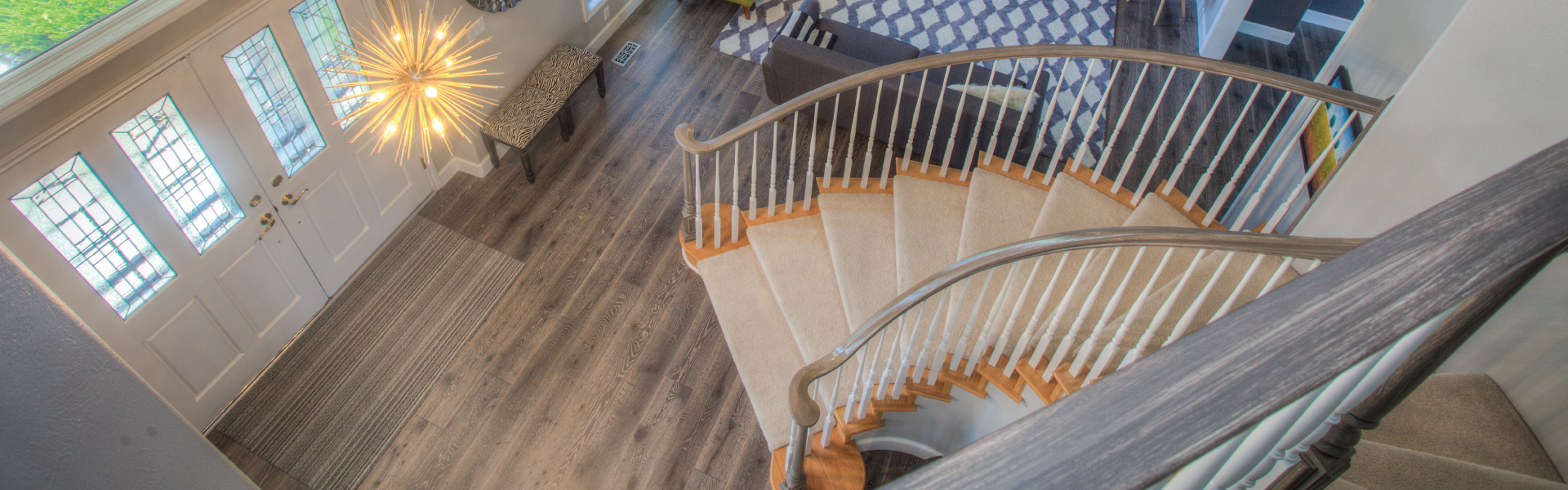
Design considerations for stair treads
When selecting stair treads, it is critical to examine not just the material, but also the size and design components.
Tread Depth: Allow for a full, comfortable step.
Nosing (Front Edge): Round or square edges enhance safety and style.
Finish: Non-slip coatings, textures, or mats can help prevent accidents.
Colour and texture should complement the rest of your decor while being easy to clean and maintain.
In South Africa, for example, stair laws typically demand a tread depth of at least 250 mm for comfort and safety, though this might vary depending on the design and building usage.
Maintenance Tips
To keep your stair treads in excellent condition:
- Clean on a regular basis by sweeping or vacuuming dust and debris.
- Inspect for wear: Replace any damaged or cracked treads right away.
- Apply finish or sealants to protect wood and concrete from dampness.
- Use non-slip coatings, which are especially vital for outdoor staircases and high-traffic areas.
Frequently Asked Questions (FAQ)
1. What is the ideal size of a stair tread?
The appropriate depth is usually between 250 and 300 mm, allowing adequate room for the entire foot to land comfortably.
2. Can I replace just the stair treads without completely redoing the staircase?
Yes. If the structure beneath is sound, you can simply replace or refinish the treads to update the appearance or improve safety.
3. Which material is ideal for outdoor stair treads?
The most durable options for outside use include concrete, treated wood, and metal, which can resist a variety of environmental conditions.
4. Are stair treads expensive to install?
Costs vary according to the material. Wooden treads are often mid-range, although stone or custom-designed metal treads might be more expensive.
5. How can I make the stairs less slippery?
Install anti-slip strips, utilise textured paint, or select treads with built-in traction surfaces such as rubber or grating.
Final Thoughts
Stair treads are the hidden heroes of any staircase—they provide safety, comfort, and aesthetic appeal. Whether you prefer the rustic appeal of wood, the durability of concrete, or the sleek strength of metal, there’s a stair tread option for any setting. By selecting the right materials and maintaining them properly, you can ensure that your staircase is safe, beautiful, and long-lasting for years to come.
Contact EZRails for more information.
See also:
Understanding Railing: Types, Materials, and Safety Benefits
