

Guard rails are crucial safety measures that keep people safe from falls and mishaps in a variety of settings. They are often seen on staircases, balconies, decks, and industrial platforms. They not only provide safety but also contribute to a space’s visual appeal when designed properly.
What Are Guard rails?
Guard rails are barriers or protective railings used to prevent falls from elevated surfaces. They act as a physical barrier between an individual and potentially dangerous edges. Guard rails are often associated with domestic settings, but they are also essential in industrial and commercial contexts, such as factories and warehouses, where safety rules frequently require their usage.
Types of Guard Rails
1. Wooden Guard rails
Wooden guard rails have a classic and natural appearance, making them perfect for home decks, patios, and staircases. They’re simple to install, customisable, and may be stained or painted to complement your existing decor. Regular maintenance is necessary to avoid decay and damage.
2. Metal Guard rails
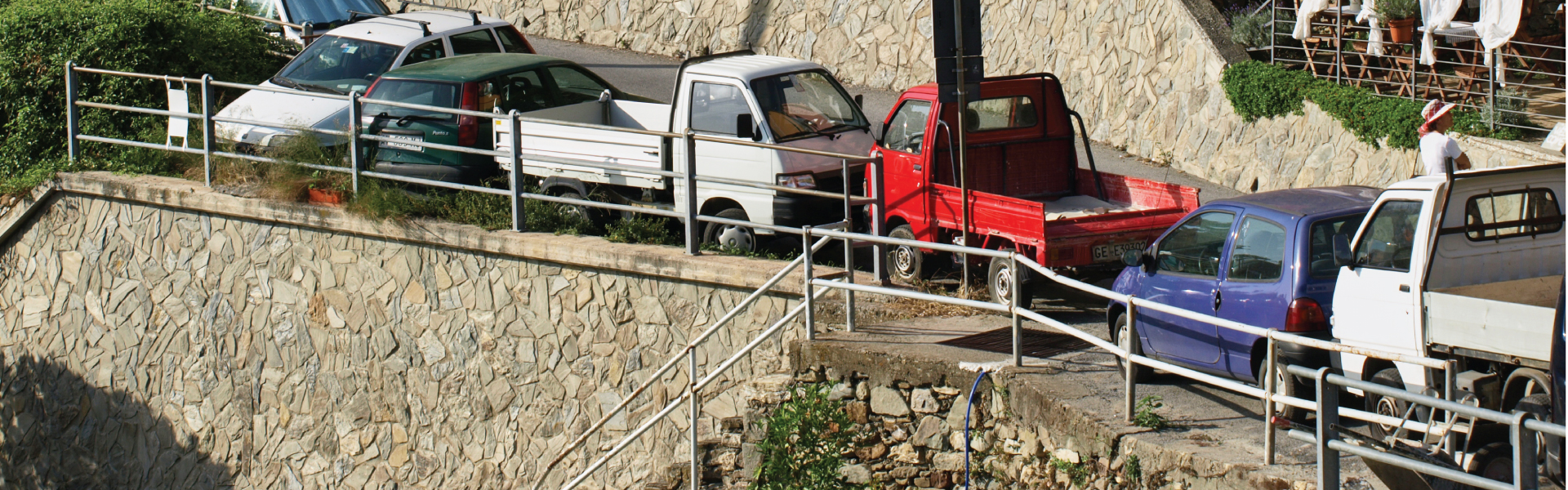
Metal guard rails, such as steel or aluminium, offer strong and long-lasting protection. They are appropriate for both indoor and outdoor situations and have a modern appearance. Powder-coated metal rails are rust-resistant and require minimal maintenance.
3. Glass Guard rails
Glass guard rails combine safety and attractiveness. They provide unimpeded views, which makes them excellent for balconies and terraces. Tempered or laminated glass is used to increase strength and protect against harm in the event of a breaking.
4. Cable Guard Rails
Cable guard rails are modern and minimalist, offering safety while maintaining visibility. They are widely used on decks, staircases, and rooftop patios. Stainless steel cables are durable and weather-resistant.
Guard rails offer several advantages
1. prioritising safety
The primary function of guardrails is to prevent falls and accidents. They serve as physical barriers, particularly in high-risk situations such as staircases, balconies, and elevated platforms.
2. Compliance with Regulations
Many countries’ construction standards and safety requirements mandate the placement in particular locations. Guard rails that are properly installed assure compliance and limit the likelihood of legal complications.
3. Aesthetic enhancement
They can improve the aesthetics of an area in addition to providing protection. From elegant glass panels to ornate oak railings, the perfect option may improve both indoor and outdoor spaces.
4. Durability
High-quality guardrails are designed to last. Metal and treated wood choices provide long-term protection with low upkeep, making them an excellent investment for any property.
How to Choose the Right Guardrail
When choosing a guardrail, consider the following factors:
- Location: Is it intended for indoor or outdoor use? Will it be exposed to weather?
- Material: Select a material that strikes a balance between durability, maintenance, and aesthetic appeal.
- Height and Spacing: To guarantee safety, adhere to local construction requirements regarding height and gap regulations.
- Style: Coordinate the guardrail with the current decor and architectural style of your home or business.
- Professional installation is recommended to ensure both safety and stability.
Installation Tips
Measure carefully: Take precise measurements of the area where the guard rail will be erected.
Use Durable Materials: Select strong materials and hardware to ensure that the guard rail can bear pressure and weight.
Follow Safety Codes: Comply with local building codes for height, spacing, and material standards.
Secure Anchoring: To ensure long-term stability and safety, properly anchor posts and panels.
Maintenance
Regularly inspect wood for rot, splinters, and weather damage. Reseal or repaint as needed.
Metal: Look for rust or corrosion, particularly in coastal or humid places. Repaint or treat as needed.
Glass should be cleaned on a regular basis to remove smudges and grime. Inspect for cracks or chips and replace any damaged panels promptly.
Cables: Tighten the cables on a regular basis to maintain tension and safety.
Regular maintenance keeps guard rails safe and visually beautiful.
Frequently Asked Questions (FAQ)
Q: What is the standard height for guardrails?
A: Most building rules require them to be at least 900mm to 1100mm tall, depending on the country and application.
Q: Can I install guardrails myself?
A: While simple installations can be done yourself, professional installation is suggested for safety and code compliance.
Q: Are glass guardrails safe?
A: Tempered or laminated glass is intended to withstand impact and break safely without sharp fragments.
Q. How much do guard rails cost?
A: Prices vary based on material, length, and design. Wooden railings are often less expensive than glass and custom metal choices.
Q: Do guard rails require any maintenance?
A: Yes. Regular inspection and maintenance are required to maintain safety and longevity, particularly for wood and metal rails exposed to the elements.
Guard rails are an essential blend of safety, functionality, and aesthetics. Whether for a home, office, or industrial facility, choosing the right style of guard rail and maintaining it properly provides safety while also improving the overall appearance of your property. Investing in sturdy guard rails gives peace of mind.
Contact EZRails for more information.
See also:
