

Steel stairs have become a popular choice for both residential and commercial structures because to their unrivalled strength, sleek modern design, and long-term performance. Whether you’re building a new staircase or upgrading an old one, steel has the versatility and flair to complement practically any architectural design.
This tutorial delves into the benefits of steel stairs, including the most common varieties, customisation possibilities, installation considerations, and answers to frequently asked questions.
Why Choose Steel Stairs?
Steel stairs provide durability, safety, and design versatility that few other materials can match. Here are the main advantages that make them the preferred option:
1. Superior strength and durability
Steel is an extremely robust material, making it perfect for constructions that must survive daily wear, huge loads, and significant foot traffic. Unlike wood, it does not expand, fracture, bend, or attract bugs.
2. Modern and Versatile Designs
Steel’s adaptability allows for the creation of almost any style, from industrial-style stairs to floating steps with glass balustrades. It works as well indoors and out.
3. Low maintenance
Steel stairs require minimum maintenance. A properly coated or galvanised steel staircase is resistant to rust, moisture, and corrosion, making it suitable for long-term usage.
4. Cost-effective in the long term
While the initial cost may be higher than for other materials, steel’s endurance and cheap maintenance make it a cost-effective choice over time.
Types of Steel Stairs
Choosing the proper steel staircase is determined by your available area, design goals, and budget. Here are the most popular choices:
1. Straight Steel Stairs
Straight stairs are the simplest and most frequent design, with clean lines and structural simplicity. They are simple to build, inexpensive, and suitable for modern residences and commercial buildings.
2. Spiral steel stairs
Spiral stairs are ideal for tight spaces. The centre steel column supports treads that curve upwards, resulting in a dramatic, space-saving feature that is also visually appealing.
3. Floating (Cantilevered) Steel Stairs
Floating steel steps create the illusion that the treads are hanging in the air. The steel construction is effectively buried within the wall, creating a simple, sophisticated appearance.
4. L-shaped and U-shaped steel stairs
These designs change direction via landings, making them suitable for multi-story buildings. They offer both safety and aesthetic appeal.
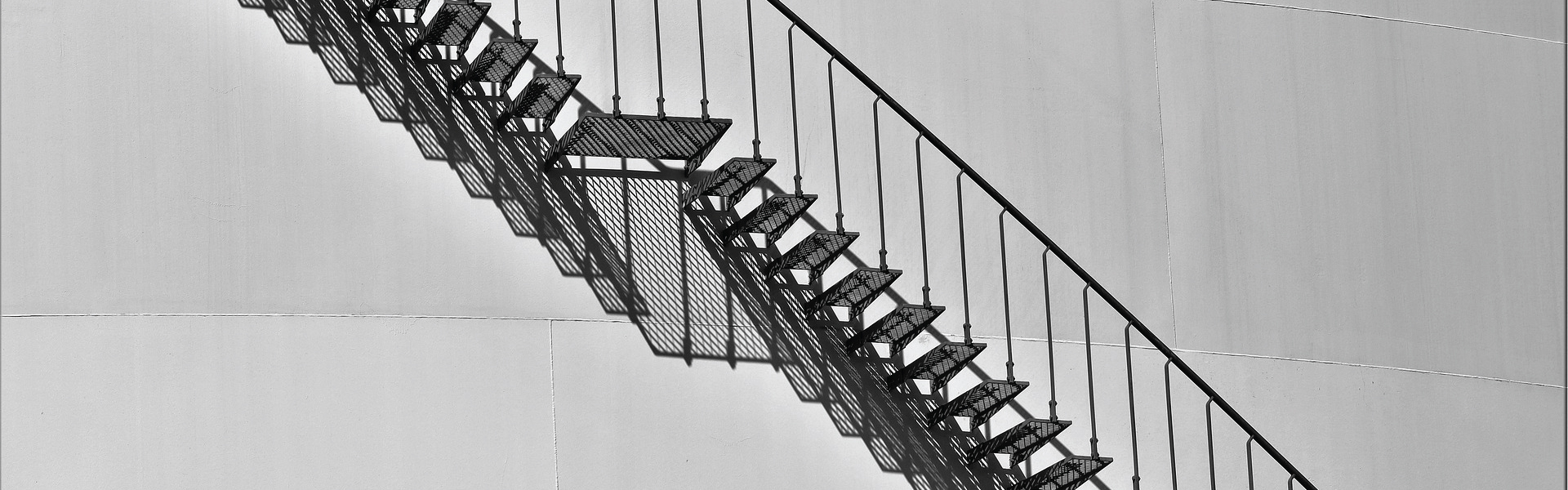
5. Industrial steel grating stairs
These stairs, which are commonly seen in factories, warehouses, and outdoor spaces, feature steel grating treads for slip resistance and longevity in harsh environments.
Design Options for Steel Stairs
Steel’s versatility offers for limitless design possibilities. Here are the important customisation items to consider.
1. Tread Options
Steel stair frames can be equipped with a variety of tread materials, including:
- Solid steel
- Timber
- Glass
- Concrete
- Stone
The combination of steel frames and timber treads is especially common in modern homes.
2. Balustrades & Handrails
Steel staircases look great with balustrades constructed from:
- Glass
- Stainless Steel
- Cable railing
- Wooden railings
Glass balustrades are an excellent alternative for creating an open and breezy atmosphere.
3. Surface Finishes
Enhance durability and beauty with coatings like:
- Powder coating
- Galvanising (outdoor use)
- Anodised or brushed steel.
- Custom colour coatings
Powder coating is particularly popular for providing colour and rust protection.
Installation Considerations
Before building steel stairs, bear the following in mind.
1. Structural requirements
Steel stairs must be engineered to comply with local building rules, load requirements and safety regulations. Consultation with a certified structural engineer is needed.
2. Spatial Planning
Make sure your design suits the available space, especially when considering spiral, L-shaped, or floating steps.
3. Indoor/Outdoor Use
Outdoor steel steps should be galvanised or treated with anti-rust coatings to avoid corrosion in extreme weather conditions.
4. Professional installation
Because of the precision required, steel staircases should only be erected by expert fabricators or construction specialists.
Maintenance Tips for Steel Stairs
To keep your steel stairs looking fantastic and operating properly, perform these simple maintenance steps:
- To remove dust and debris, wipe down the treads and railings on a regular basis.
- Check for loose bolts, welds or connections on an annual basis.
- To avoid rusting, touch up any scratches.
- Inspect outdoor stairs and reapply protective finishes as needed.
- With appropriate maintenance, steel stairs may last for decades.
FAQs on Steel Stairs
1. Are steel stairs noisy?
Not necessarily. Steel stairs may be quite quiet when properly installed and using the suitable tread materials.
2. How long do steel stairways last?
Steel staircases can last for more than 50 years with little maintenance, especially when coated or galvanised.
3. Can steel stairs be used outside?
Absolutely. Galvanised or powder-coated steel steps are extremely durable outside, resisting rust and weather damage.
4. Are steel stairs expensive?
The cost varies according to the design complexity, materials, and finishing. While steel stairs are sometimes more expensive up front, they are extremely robust and cost-effective in the long run.
5. Can steel stairs be customised?
Yes. Steel is one of the most adaptable materials, as it can be moulded, coated, and blended with other materials to suit any design aesthetic.
Conclusion
Steel stairs are a wise investment for anyone looking for strength, style, and durability in a staircase. Steel is an extremely versatile material that may be used to create a futuristic floating feature, a space-saving spiral, or a sturdy outdoor solution. Steel stairs, with good planning, competent installation, and minimal maintenance, can significantly improve the utility and visual appeal of any area for many years.
Contact EZRails for more information.
See also:
