

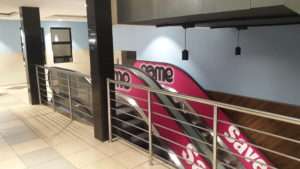
Welcome to our thorough balustrades tutorial! Balustrades are a great option if you want to add some style and security to your steps, balconies, or terraces. We’ll delve into the realm of balustrades in this post and examine the numerous styles, materials, and installation techniques that are available. This guide will provide you the information you need to choose the right balustrades for your space, whether you’re an architect, interior designer, or a homeowner with an eye for beauty.
Balustrades
Balustrades offer a sense of elegance to any architectural design by acting as both utilitarian and aesthetic features. These vertical supports, which are often made of posts and railings, serve as both a structural support and a safety barrier. There are several places where balustrades can be found, including stairways, balconies, terraces, and even bridges. You may choose the ideal one to suit your aesthetic choices because they are available in a variety of styles, materials, and finishes.
Balustrade Design: Choosing the Right Look
The design possibilities for balustrades are essentially limitless. Here are a few trendy looks to take into account:
1. Conventional handrails
Traditional balustrades have timeless patterns that draw inspiration from several architectural eras. They are an excellent option for historical or period-inspired buildings since they frequently have elaborate patterns and ornate craftsmanship.
2. Contemporary handrails
Modern balustrades are a great choice if you want something with a clean, modern aesthetic. Clean lines, minimalism, and the use of cutting-edge materials like glass and stainless steel are the main themes of these designs.
3. Wooden handrails
Your area will feel cozy and natural with rustic balustrades. These designs frequently use organic materials, such as wood or wrought iron, to produce a lovely appearance.
4. Creative handrails
In order to express your individual style while making a big statement, artistic balustrades can be made to order. They may have sculptural components, unique patterns, or even include works of art in the design.
Selecting the Best Materials
The longevity, appeal, and upkeep needs of balustrades are greatly influenced by the materials that are utilized to construct them. Let’s look at some common options:
5. Wooden Handrails
Wooden balustrades give any area enduring beauty and a cozy atmosphere. You may create a variety of appearances, from traditional to contemporary, by selecting from a wide range of wood species.
Six. Glass handrails
Glass balustrades are a great choice if you want a modern, clear aesthetic. They provide clear vistas, let natural light in, and provide the impression of space.
7. Steel handrails
Metal balustrades, including those made of wrought iron or stainless steel, add a touch of class and sturdiness. They are quite adaptable and may be used in many different types of designs.
8. Stone railings
The grandeur and ageless quality of stone balustrades is apparent. Stone materials, whether they are marble, granite, or limestone, give any architectural project a luxurious feel.
Installation: The Complete Process
Balustrade installation demands meticulous design and exact execution. An outline of the installation procedure is given below:
9. Initial advice and planning
Consultation with a qualified contractor or balustrade specialist is the first step. They will evaluate your space, talk with you about your tastes, and provide recommendations based on your needs.
10. Dimensions and Personalization
For a balustrade installation to be successful, precise dimensions are essential. After the design has been decided upon, exact measurements are collected to guarantee that the balustrades will suit your space correctly.
11. Material Order and Selection
You must choose the desired materials for your balustrades after deciding on the design and measurements. Order the required supplies from a dependable vendor, whether it be wood, glass, metal, or stone.
12. Site preparation
The installation area must be ready before to installation. This can entail taking down any old balustrades, making sure the surface is flat and clean, and adjusting the framework as needed.
13. Balustrade installation
The actual installation procedure is putting the balustrade parts together and securing them to the specified locations. In order to guarantee perfect alignment, stability, and safety, this phase necessitates the expertise of qualified professionals.
14. Final Details and Safety Precautions
The finishing touches are focused on after the balustrades are installed. Sanding, painting, staining, or the application of protective coatings are all examples of ways to improve the balustrades’ longevity and aesthetic appeal. Also taken into consideration are safety precautions like adding handrails and making sure all parts adhere to building requirements.
FAQs regarding balustrades
- What advantages do installing balustrades offer? Balustrades have a number of advantages, such as improved safety, better aesthetic appeal, and higher property values. They provide a touch of elegance to any place and act as a protective barrier, preventing accidents and falls.
- Can balustrades be modified to meet certain aesthetic requirements? Balustrades can be altered to meet your own design preferences, yes. Professional balustrade professionals can assist you in realizing your idea, whether you’re seeking for a specific design, material, or pattern.
- Is a balustrade only appropriate for outdoor areas? No, balustrades can be erected in both indoor and outdoor locations due to their versatility. They frequently appear in mezzanines, balconies, terraces, stairs, and even as room dividers in bigger spaces.
- How do I maintain balustrades? Depending on the materials utilized, different maintenance procedures are needed. While glass balustrades require routine cleaning to retain their transparency, wood balustrades may occasionally need staining or sealing. Balustrades made of metal and stone typically require little care and may be cleaned with warm, soapy water.
- How much do balustrades cost? Balustrade prices might vary depending on the materials utilized, the complexity of the design, and the installation requirements. The best way to get precise pricing estimates for your particular project is to speak with a balustrade professional.
- Do balustrades adhere to safety standards and construction codes? Yes, local building laws and safety regulations should be followed during expert balustrade installation. As a result, the balustrades are guaranteed to meet the necessary standards for structural integrity and safety.
Conclusion
In addition to being useful, balustrades also give any area a bit of class and style. You may choose the ideal balustrades to match your architectural vision among a variety of design and material possibilities. Balustrades are a flexible solution for enhancing safety, improving the beauty of your area, or both. You’ll be well on your way to changing your steps, balconies, or terraces into gorgeous focal areas by seeking professional advice and taking your design preferences into account. So go ahead, consider your options, and start the process of establishing a compelling and secure atmosphere.
